Introduction
In modern fast-paced world, the place swap is the solely fixed, cultivating an entrepreneurial approach amongst scholars has became paramount. The capability to conform, innovate, and imagine creatively has changed from in simple terms nice tendencies into standard qualifications for survival and fulfillment. This article delves deeply into the multi-faceted approach required for teaching entrepreneurship in lecture rooms at the moment. From embracing project-structured getting to know to leveraging know-how, we Entrepreneurship Professor discover how educators can foster creativity, resilience, and probability acceptance among their pupils.
From Textbooks to Transformation: Why Entrepreneurship Teaching Must Go Beyond the Business Plan
Rethinking Traditional Education Models
Traditionally, entrepreneurship guidance has targeted seriously on enterprise plans and monetary types. But let’s be straightforward: how occasionally do authentic-world entrepreneurs take a seat all the way down to draft a meticulous marketing strategy prior to launching their ventures? Rarely! Entrepreneurs are probably more worried with hindrance-fixing and adapting on the fly than they're with documents.
The Need for Dynamic Learning Environments
To efficaciously educate entrepreneurship, we desire to remodel school rooms into dynamic getting to know environments. This capability relocating away from rigid curricula that stifle creativity. Instead, educators should always consciousness on experiential studying chances that allow college students to engage with proper-world challenges.
Creating a Culture of Innovation
Innovation isn’t with regards to having a extensive principle; it’s about cultivating an ecosystem where these solutions can flourish. By encouraging threat-taking and embracing failure as component to the gaining knowledge of technique, educators can instill confidence in their students to pursue imaginative ideas.
Teaching Entrepreneurial Mindset: Cultivating Creativity, Resilience, and Opportunity Recognition
Understanding the Entrepreneurial Mindset
What precisely is an entrepreneurial frame of mind? It includes a few key traits equivalent to creativity, resilience, and possibility cognizance. Understanding these resources is vital for educators aiming to instill this approach of their scholars.
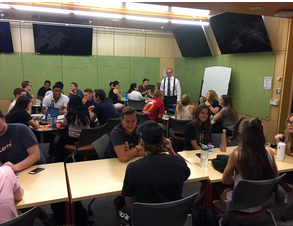
Fostering Creativity Through Problem-Solving
Creativity may well be nurtured because of established predicament-solving sporting events. Encourage college students to brainstorm a number of treatments for a single subject. This now not in simple terms complements innovative pondering yet also teaches them that there are basically distinctive paths to luck.
Building Resilience in Students
Resilience is very important for any entrepreneur. Teach your pupils that failure is not really the end but enormously a stepping stone to luck. Real-lifestyles case studies of valuable entrepreneurs who faced a whole lot of setbacks can encourage them to persevere notwithstanding obstacles.
Recognizing Opportunities in Everyday Life
One of the so much significant skills for budding marketers is spotting alternatives in which others see trouble. Engage college students in discussions approximately recent movements or local troubles and subject them to brainstorm achievable enterprise recommendations.
Project-Based Learning in Entrepreneurship Education: Turning Classrooms into Real-World Labs
What Is Project-Based Learning (PBL)?
Project-Based Learning (PBL) is an educational way wherein college students obtain data via operating on initiatives over accelerated intervals. This formula aligns perfectly with coaching entrepreneurship as it encourages collaboration, palms-on ride, and factual-global crisis-fixing.
Designing Impactful Projects
When designing projects for entrepreneurship coaching:
- Identify factual-international matters that resonate along with your scholars. Encourage interdisciplinary collaboration. Incorporate community involvement via connecting initiatives with nearby corporations or corporations.
Examples of Successful PBL Initiatives
Several colleges have effectually applied PBL projects:
Students developing marketing campaigns for native businesses. Developing prototypes of merchandise aimed at fixing community problems. Collaborating with non-gains on social entrepreneurship projects.
These projects now not solely enhance studying however additionally present effective expertise that scholars can apply external the lecture room.
Bridging Theory and Practice: How to Teach Business Models, Validation, and Startup Execution
Understanding Business Models
A industrial model outlines how an group creates fee for its users when generating sales. Teaching this idea contains breaking down the different types of commercial enterprise versions—B2B (industry-to-business), B2C (industry-to-person), etc.—and discussing their purposes in proper existence.
Types of Business Models
| Type | Description | |---------------|------------------------------------------------------------------| | B2B | Businesses selling products/providers rapidly to other establishments | | B2C | Businesses selling quickly to consumers | | Subscription | Customers pay recurring charges for continual get admission to | | https://topentrepreneurshipprofessorintucson.pages.dev Tucson Entrepreneurship Expert Freemium | Basic companies unfastened; premium facets require settlement |
Validating Ideas Before Launching a Startup
Validation is primary previously diving headfirst into construction a startup. Teach your scholars a way to behavior market investigation, surveys, and interviews with skills clientele to evaluate call for in the past spending elements on product building.
Executing Startups Efficiently
Execution can make or holiday startups. Guide your pupils via Agile methodologies—an iterative approach that emphasizes collaboration between go-functional groups—to help them be aware how flexibility contributes to useful execution.
Assessment That Matters: Measuring Entrepreneurial Competency, Not Just Course Completion
Why Traditional Assessments Fall Short
Traditional exams oftentimes measure rote memorization instead of simple software or quintessential thinking skills important for entrepreneurship. So how will we shift our awareness?
Implementing Competency-Based Assessment
Competency-depending exams assessment regardless of whether a student possesses designated talent other than easily measuring grades or direction of entirety premiums:
- Use portfolios showcasing student paintings. Incorporate peer studies as a part of assessment equipment. Design reflective essays where pupils articulate what they’ve realized due to reviews.
This holistic mind-set makes it possible for educators to gauge correct entrepreneurial competency properly.
The Future of Teaching Entrepreneurship: AI, Experiential Learning, and Global Innovation Hubs
Embracing Artificial Intelligence in Education
Artificial Intelligence (AI) offers vast capacity in personalizing training stories centered on distinctive pupil desires:
- Adaptive mastering systems can tailor curriculum constituents depending on efficiency. AI-pushed analytics gives you insights into student engagement tiers enabling well timed interventions when considered necessary.
Experiential Learning Opportunities Abroad
Global innovation hubs latest particular possibilities for experiential studying:
Internships at startups all over the world. Participation in overseas competitions. Collaboration initiatives with peers from other international locations enhance cultural views when improving entrepreneurial expertise.By leveraging these supplies successfully inside classrooms right now—educators will play pivotal roles shaping future innovators who thrive amidst international challenges!
Frequently Asked Questions (FAQs)
Q1: What is an entrepreneurial approach?
An entrepreneurial attitude encompasses characteristics like creativity, resilience, adaptability toward challenges & probability realization useful for thriving as an entrepreneur!
Q2: How does task-stylish discovering reinforce entrepreneurship schooling?
Project-based discovering immerses college students in genuine-lifestyles demanding situations permitting them hands-on adventure coming up useful recommendations along collaboration editing equally gentle/demanding talent!
Q3: Why should still average checks be replaced?
Traditional assessments routinely fail at gauging authentic potential; moving towards competency-established reviews promotes deeper expertise/life like program making graduation significant past grades alone!
Q4: What position does know-how play in instructing entrepreneurship?
Technology empowers customized schooling reviews using adaptive systems although also facilitating far flung collaborations throughout geographic boundaries enriching standard expertise!
Q5: How can teachers instill resilience between their pupils?
Teachers can nurture resilience by framing screw ups positively encouraging menace-taking emphasizing expansion mindsets exhibiting cases in which staying power led effectual consequences inspiring courage dealing with setbacks!
Q6: What are world innovation hubs?
Global innovation hubs refer collaborative environments fostering entrepreneurship across borders imparting substances/networking chances severe aspiring entrepreneurs advantage publicity assorted markets/gain knowledge of current practices firsthand!
Conclusion
In conclusion, cultivating innovators thru coaching the entrepreneurial mind-set requires a multifaceted way that goes beyond standard tutorial paradigms. By specializing in dynamic mastering environments—integrating assignment-based totally learning methodologies—and applying state-of-the-art generation like AI—we pave pathways towards nurturing creative thinkers who are ready not just academically yet essentially too! As we bridge theory with exercise whilst assessing abilities meaningfully—we empower our long term leaders outfitted tackle day after today's challenges innovatively!
Let’s remember—the study room isn’t basically textbooks; that is approximately reworking minds able face complexities in advance!